

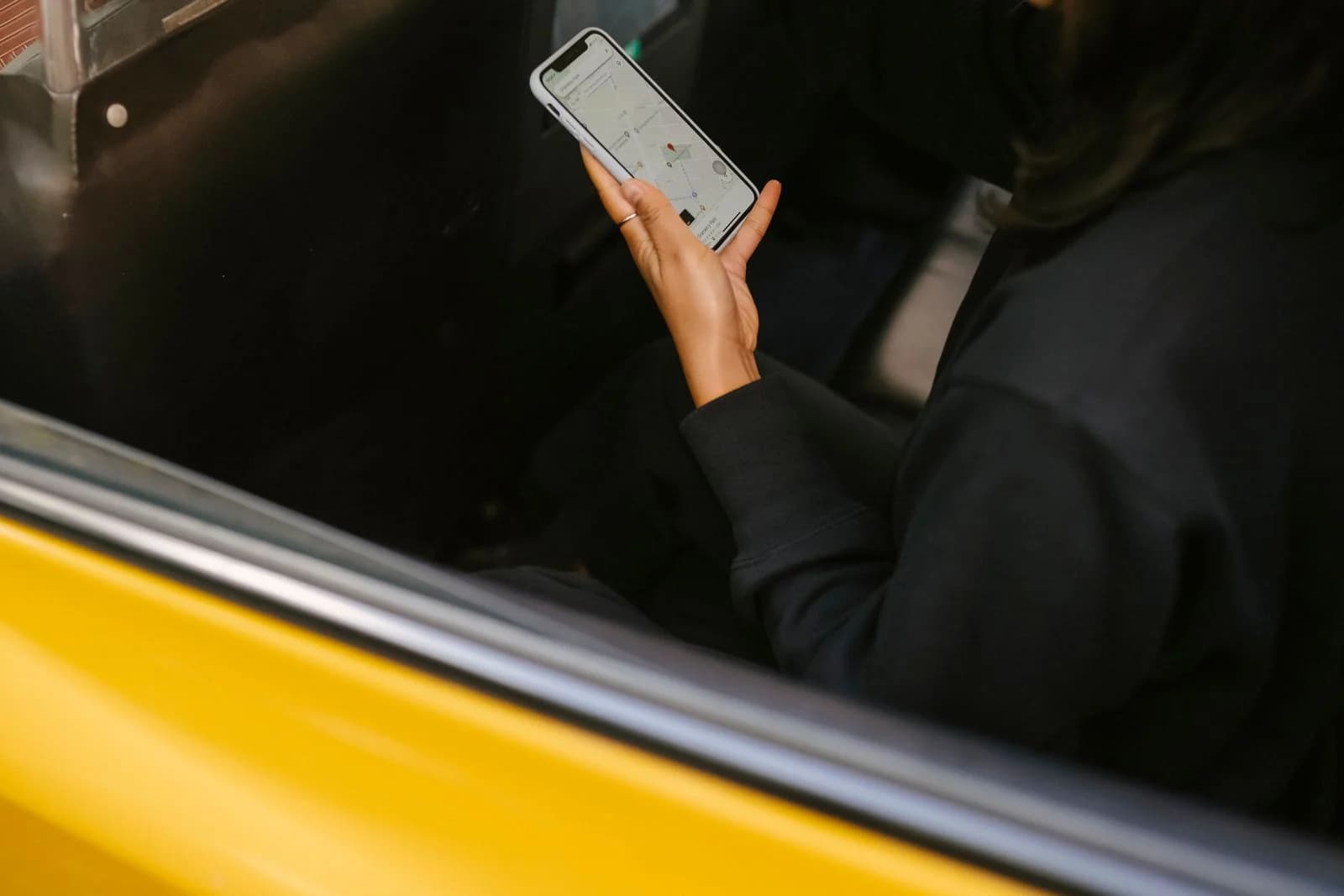
منصة نقل ركاب للمملكة العربية السعودية
شركة نقل ركاب (المملكة العربية السعودية)
منصة نقل ركاب متكاملة بُنيت للسوق السعودي من الصفر: تطبيق للركاب وآخر للسائقين على قاعدة كود واحدة بتقنية Flutter، ومحرك إسناد لحظي بمبدأ «أول قبول يفوز»، ووسائل دفع سعودية (مدى / Apple Pay)، وتكامل مع منصة وصل التابعة للهيئة العامة للنقل. سلّمنا كل شيء من قوائم المتاجر إلى لوحة التحكم.
- المُسلَّم
- راكب + سائق + إدارة
- الدفع
- فيزا · ماستركارد · مدى · Apple Pay · نقدًا
- الامتثال
- تكامل وصل (الهيئة العامة للنقل)
- اللغات
- عربي · إنجليزي (RTL)
منصة نقل ركاب للمملكة العربية السعودية
منصة نقل ركاب متكاملة بُنيت للسوق السعودي من الصفر: تطبيق للركاب وآخر للسائقين على قاعدة كود واحدة بتقنية Flutter، ومحرك إسناد لحظي، ووسائل دفع سعودية، وتكامل مع منصة وصل التابعة للهيئة العامة للنقل، سُلّمت بالكامل من المتاجر إلى لوحة التحكم الإدارية.
التحدي
إطلاق خدمة نقل ركاب في المملكة ليس منتجاً واحداً، بل سوقاً ثنائي الجانب يعمل لحظياً، إضافةً إلى البنية التشغيلية والتنظيمية اللازمة لإدارته، وكل ذلك يجب أن يكون جاهزاً قبل تنفيذ أول رحلة.
سوق لحظي من الصفر. الراكب الذي يفتح التطبيق يتوقّع تكلفة تقديرية، وطلب سيارة، ومتابعة اقتراب السائق من نقطة الالتقاء لحظةً بلحظة. والسائق يتوقّع وصول الطلبات أثناء الحركة، وعدّاداً زمنياً للقبول، وملاحةً إلى الراكب. وخلف الطرفين محرك مطابقة يجد أقرب سائق متاح، ويبثّ الطلب، ويحسم مَن يحصل على الرحلة حين يضغط سائقان «قبول» في اللحظة نفسها.
مبنية بمنطق المرأة أولاً. صُمّمت المنصة لخدمة موجّهة للنساء (راكبات تُطابَقن مع سائقات)، ما رفع سقف المتطلبات في التحقق من الهوية، وتسجيل السائقات ومراجعة وثائقهن، والأجزاء الحسّاسة أمنياً في المسار. وكان لا بد أن يضمن المنتج ذلك بنيوياً لا شكلياً.
الامتثال السعودي ليس خياراً. يخضع نقل الركاب في المملكة للهيئة العامة للنقل. وكان على المنصة أن تتكامل مع وصل، منصة الامتثال التابعة للهيئة، وأن تدعم صيغ الهوية ولوحات المركبات السعودية، وتحتسب ضريبة القيمة المضافة بدقة، وتُسوّي المدفوعات عبر بوابة مرخّصة في السعودية تدعم مدى إلى جانب فيزا وماستركارد وApple Pay.
ثنائية اللغة، واتجاه من اليمين، وجدول زمني ضيّق. العربية والإنجليزية في كل مكان (تطبيق الركاب وتطبيق السائق ولوحة التحكم) بدعم كامل للاتجاه من اليمين إلى اليسار، ضمن مدة بناء قدرها ستة أسابيع.
ما الذي بنيناه
المنصة ثلاثة واجهات فوق نظام خلفي واحد.
تطبيق الركاب. تسجيل ودخول عبر رمز التحقق (OTP)، وملف شخصي ووسائل دفع محفوظة، ووضع زائر يتيح للمستخدم الجديد تصفّح التطبيق قبل اشتراط الدخول لإنشاء رحلة. ويضع إنشاء الرحلة نقطتي الانطلاق والوصول على الخريطة مع احتساب لحظي للتكلفة والمسافة والزمن. ومن الطلب إلى الفاتورة يمرّ الراكب بمسار حالات كامل (البحث، الإسناد، في الطريق، الوصول والانتظار، جارية، مكتملة) مع عرض بيانات السائق والمركبة طوال الرحلة. والدفع بفيزا أو ماستركارد أو مدى أو Apple Pay أو نقداً، مع حجز مبدئي للمبلغ عند بدء الرحلة وتحصيله عند إتمامها. تُكمِّل المنظومةَ نافذةُ إلغاء مجانية، ورسوم عدم حضور قابلة للضبط، وتقييم متبادل من ١ إلى ٥، ومحادثة أثناء الرحلة لتنسيق نقطة الالتقاء، وفواتير PDF قابلة للتنزيل بتفصيل ضريبة القيمة المضافة.
تطبيق السائق (الكابتن). يلتقط التسجيل البيانات الشخصية وبيانات المركبة ويرفع الوثائق المطلوبة (الهوية الوطنية، والرخصة، واستمارة المركبة، وصورة المركبة)، وكلها مشروطة بموافقة الإدارة قبل أن يصبح السائق فعّالاً. ويتحكّم مفتاح الاتصال/عدم الاتصال في التوفّر، وتصل الطلبات بعدّاد زمني وتُحسم بمبدأ «أول قبول يفوز». ويتنقّل السائق إلى نقطتي الإركاب والوصول، ويؤكّد تحصيل المبالغ النقدية قبل إتمام الرحلة، ويقيّم الراكب. وتتابع لوحةٌ مالية الأرباحَ والديون والغرامات وصافي المستحقات، وتدعم طلبات السحب والتسوية ببيانات بنكية. ويُتابَع تاريخ انتهاء رخصة المركبة بتنبيهات مسبقة وإيقاف تلقائي عند انتهائها.
لوحة التحكم الإدارية. إدارة كاملة لحسابات الركاب والسائقين، وقائمة مراجعة لطلبات تسجيل السائقين باعتماد/رفض وإشعار، وصلاحيات مشرفين فرعيين متدرّجة. ويتابع المشغّلون الرحلات حسب الحالة، ويتتبّعون النشطة منها مباشرةً على الخريطة والمكتملة عبر كامل مسارها، ويصدّرون بيانات الرحلات إلى Excel/CSV. وتراجع اللوحة المالية طلبات السحب والتسوية وتعتمدها بسجل تدقيق كامل، وتتحكّم صفحة الإعدادات في روافع تشغيل العمل: نسبة ضريبة القيمة المضافة، ونسبة العمولة، ونطاق ومدة البحث، ونوافذ الإلغاء والغرامات، ورسوم عدم الحضور، والتسعير المتغيّر (Surge). وتُكمِل المنظومةَ بياناتٌ أساسية (ماركات المركبات وموديلاتها وألوانها، والمدن، والبنوك، وأسباب الإلغاء)، وصفحات محتوى ثابتة، ونظام شكاوى وبلاغات، ونظام مفقودات، ولوحة مؤشرات أداء قابلة للفلترة بالتاريخ والمدينة.
محرك الإسناد
يُسند محرك المطابقة كل طلب إلى أقرب سائق متاح ضمن نطاق بحث يتّسع مع كل إعادة محاولة حتى يُعثَر على سائق أو ينتهي الطلب زمنياً. والتزامن هو الجزء الأصعب: حين يقبل عدّة سائقين الطلب ذاته في آنٍ واحد، يحسمه النظام الخلفي بمبدأ «أول قبول يفوز»، فيُسند الرحلة إلى سائق واحد بالضبط ويُحرّر البقية. وتُبَثّ حالة الرحلة وموقع السائق والتوفّر عبر WebSocket ليبقى التطبيقان متزامنين. فخريطة الراكب وقائمة طلبات السائق تتحدّثان من مصدر الحقيقة نفسه، لحظياً، دون استطلاع متكرر.
الدفع والامتثال والخصوصيات السعودية
- وسائل دفع سعودية. تكامل مع بوابة دفع مرخّصة في السعودية تدعم مدى وفيزا وماستركارد وApple Pay، بنموذج حجز مبدئي مدعوم بحساب تاجر: حجز عند بدء الرحلة، وتحصيل عند إتمامها.
- التكامل مع وصل/الهيئة العامة للنقل. يوفّر النظام الخلفي الواجهات البرمجية والتجهيزات الفنية اللازمة للتكامل مع وصل، منصة الامتثال التابعة للهيئة، بوصفه جزءاً من التسليم النهائي لا أمراً لاحقاً.
- الهوية والتحقق. تحقق من رقم الجوال عبر OTP من مزوّد معتمد في السعودية، والتقاط الهوية الوطنية، ومعالجة صيغ لوحات المركبات السعودية بشكل صحيح عبر الركاب والسائق والإدارة.
- فوترة سليمة ضريبياً. تتفصّل كل أجرة إلى إجمالي فرعي وضريبة قيمة مضافة وإجمالي، تُعرض داخل التطبيق وفي فاتورة PDF قابلة للتنزيل.
- ثنائية اللغة بنيوياً. العربية والإنجليزية بدعم كامل للاتجاه من اليمين عبر الواجهات الثلاث، مع تبديل اللغة من داخل التطبيق.
كيف بنيناه
- التطبيقات: Flutter، قاعدة كود واحدة متعددة المنصات لأندرويد وiOS، مبنية على Clean Architecture مع إدارة حالة BLoC لتطبيق قابل للصيانة وجاهز للإنتاج
- النظام الخلفي: Node.js (NestJS)، يوفّر واجهات REST مع WebSocket للتزامن اللحظي
- لوحة التحكم الإدارية: React.js
- قاعدة البيانات: PostgreSQL
- خدمات مساندة: Firebase للإشعارات الفورية، وAWS S3 لتخزين الوثائق والصور، وTwilio للرسائل النصية ورموز التحقق
- التكاملات: مزوّد خرائط للمسار والمسافة والزمن المتوقع؛ وبوابة دفع مرخّصة في السعودية؛ ووصل (الهيئة العامة للنقل)
لماذا يهمّ ذلك
نجاح إطلاق خدمة نقل الركاب يتوقّف على الأجزاء التي لا يراها الراكب: هل يتعذّر أن يفوز سائقان بالرحلة نفسها، وهل تُسوّى الأجرة عبر مدى وتتطابق مع الضريبة، وهل تتحدّث المنصة مع وصل من اليوم الأول. لقد سلّمنا الواجهات الثلاث (الراكب والسائق والإدارة) فوق نظام خلفي واحد، على قاعدة كود Flutter واحدة، مع محرك الإسناد ووسائل الدفع والتكامل التنظيمي التي تحوّل مجموعة تطبيقات إلى عملِ نقل ركاب فاعل في السوق السعودي.
المزيد من النقل والتنقّل الذكي
كل دراسات الحالة
تحديث ميناء إقليمي
هندسة معمارية مؤسسية وتحديث سحابي لهيئة موانئ إقليمية. استبدلنا الأنظمة القديمة الهشّة بمنصّة متكاملة قلّصت زمن التوقّف بنسبة 85% ومنحت المُشغّل رؤية تشغيلية فورية.

أتمتة عمليات الشحن
أتمتة الأعمال الورقية اليدوية وحلقات الإرسال التي كانت تخنق مُشغّل شحن إقليمي. بنينا سير العمل والتكاملات والتوجيه الذكي الذي خفّض الورق بنسبة 95% واختصر دورات الإرسال أياماً.